O’ Captain, Where Art Thou?
““It is a rare survivor and a reminder of a once-important Staten Island industry which has now disappeared.” ”
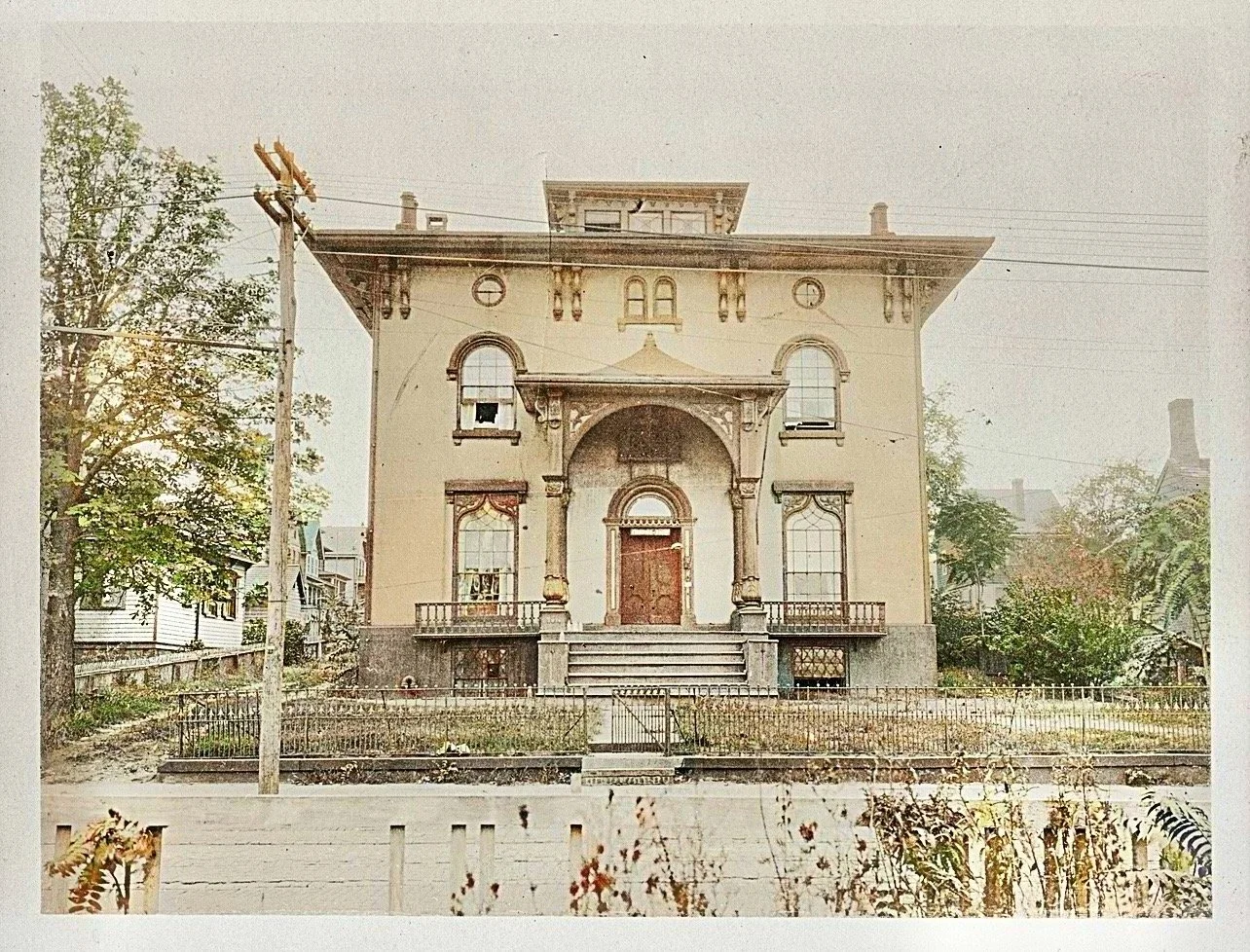
Over its long amazing past, the Captain Barnes House has been a private residence, speakeasy, sailors boarding home, cabaret, spa, dungeon, a school, a photo/ film location, artists residence, a lucid dream.
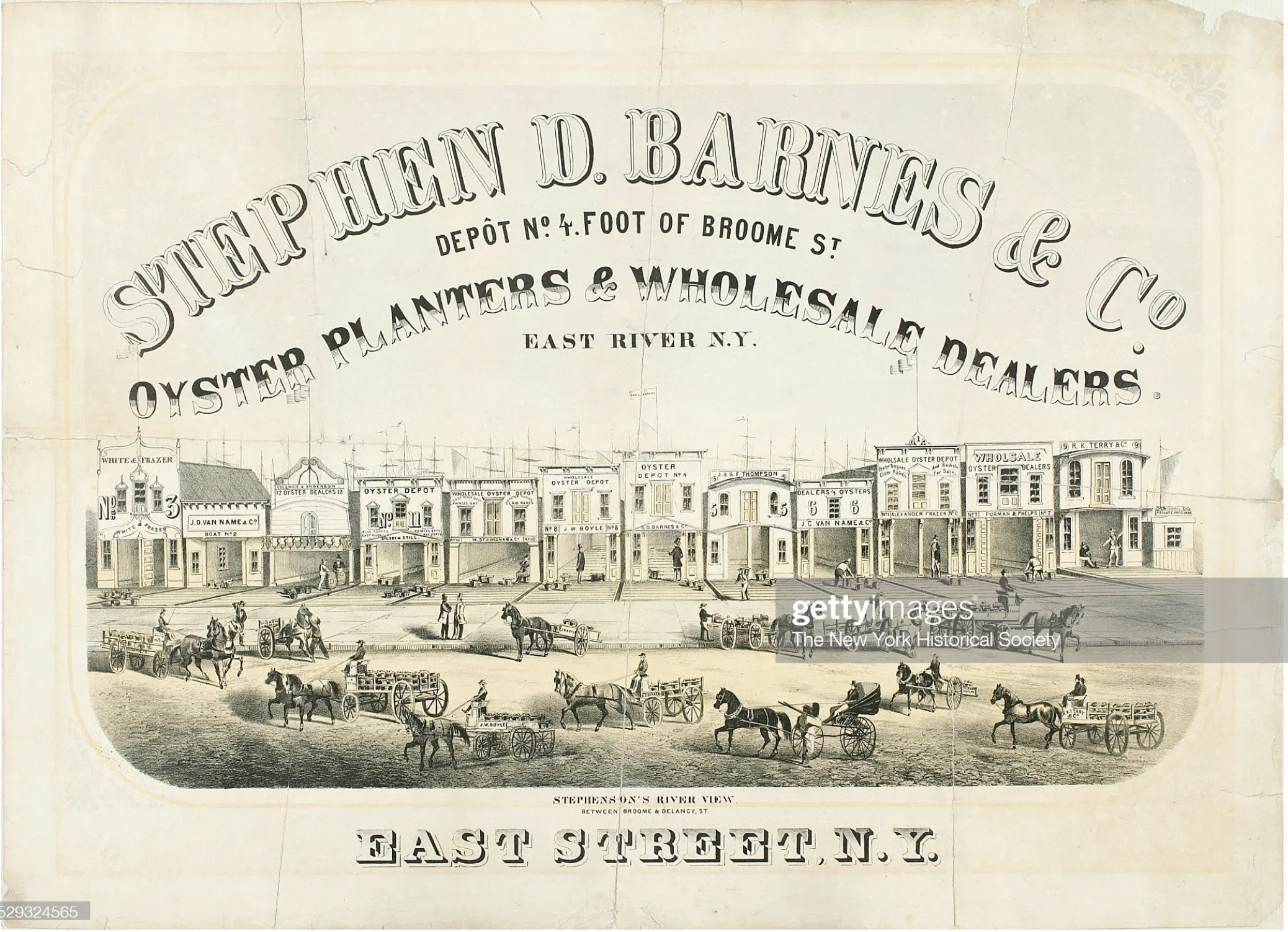
In the early 1800s natural oyster beds were plentiful around the waters of Staten Island. According to an account written in 1886, it was common to grow the oysters in Prince's Bay, then bring them in small quantities to the oyster floats in Mariners' Harbor where they could drink the fresher waters of the Hackensack and Passaic Rivers flowing into Newark Bay before they were harvested and sold at Market.
With the oyster trade flourishing, the Captains of the trade or the ‘Oyster Aristocrats’ of the time sought out a destination for home where they could anchor their boats on the shore opposite their homes. ‘Captain’s Row’ developed along Shore Road (now Richmond Terrace) which overlooks the Kill Van Kull and Newark Bay, in which these men engaged in their great trade.
SAILING FROM 1853
In 1853, the original Captain Stephen D. Barnes, a prominent Oysterman of his time, and his wife Judith Van Pelt purchased property for their home and the Barnes Mansion was built.
The majority of homes of this time were built in the Greek Revival Style but Captain Barnes’ choice in architecture contrasted greatly to that of his peers. Integrally, the home is Italianate in its style with curious decorative finishes such as the ogee arches that point towards a Moorish influence.
To this day, the Barnes Mansion still stands as a rare piece of architecture with distinctive character. Charles Gilbert Hine in Legends, Stories and Folklore of Old Staten Island (1925) notes that it is different in style from any other house along the entire North Shore.
ENTERTAINING since 1880

In the early 1800s natural oyster beds were plentiful around the waters of Staten Island, but by the 1840s the beds were exhausted so oyster seed and immature oysters were brought · from bays in Long Island and New Jersey as well as Norfolk Bay, Virginia, and Chesapeake Bay, Maryland, and planted in Prince's Bay on the south side of the island and in the Kill van Kull. As the trade developed, the small skiffs of the oystermen were replaced by sloops and schooners thus leading to the development of such auxiliary industries as ship building on the Island, During the Civil War the oyster trade flourished since oysters were not obtainable from the South. According to an account written in 1886, it was common to grow the oysters in Prince's Bay, then bring them in small quantities to the oyster floats in Mariners' Harbor where they could drink the fresher waters of the Hackensack and Passaic Rivers flowing into Newark Bay before they were harvested and sold at the foot of Charles and West l0th Streets in Manhattan. The oyster trade continued in Staten Island until about 1900 when the waters of the harbor became polluted from industrial waste, shipping, and sewage.
In 1889, Stephen D. Barnes died in the house from pneumonia, and according to neighborhood tales, he continues to haunt the mansion. Captain Thomas John Barry Jr, one of the former owners, reports strange things happening at 10:48, having seen a sconce turn upside down, and hearing pacing. Despite this, current owner Captain Biagio Pergolizzi finds the hauntings to be asset, adding character to the 170+ year old house. Following Captain Barnes’ death in 1889, the prospect for local oystering were declining. The home was passed on at auction in 1890, to William Wheeler who ran a Saloon out of the home.
In contrast to the oyster trade along the shore of Mariners' Harbor, was Buffalo Bill's Wild West Show, which opened in the 1880s at Erastina in the section between Union and Van Pelt Avenues just south of the Shore Road, very near the Barnes House. It was planned by Staten Island entrepreneur Erastus Wiman to encourage people to ride the Staten Island Railroad.
At the height of the prohibition the home became known to lucky local mariners as a speakeasy brothel. Throughout the decades, the house was resided by many prominent Captains and Seamen.
On May 11, 1976, the Landmarks Preservation Commission of NYC designated the home a landmark.
Following the Landmark designation the the home faced many trials; abandonment, surviving theft, destruction and at its worst arson.
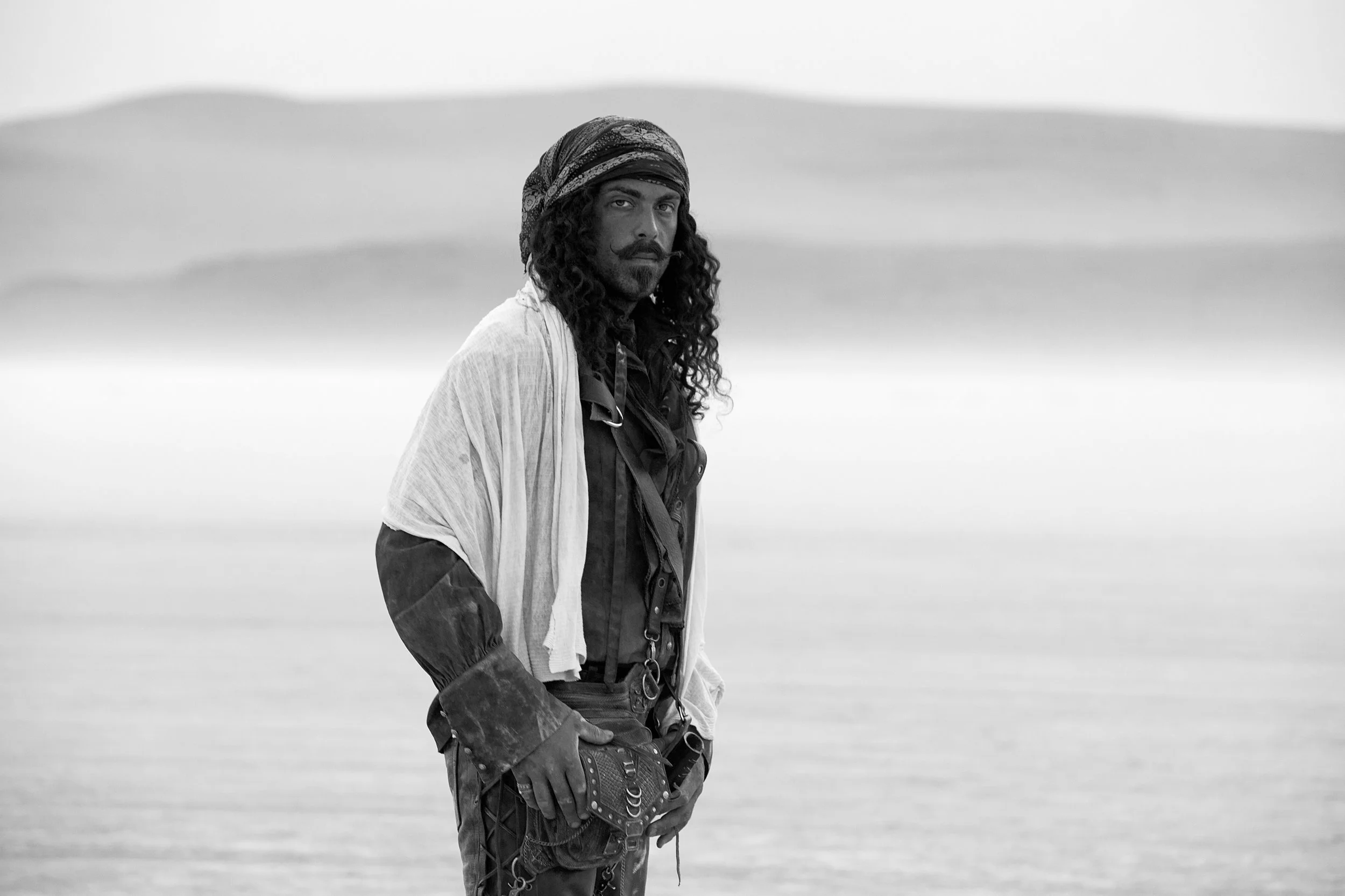
"It's the kind of house that'll make me want to wear a top hat when I leave the door,"
“Barnes has a weathered elegance about it I wouldn't change for half the Island. It's my pirate ship."
“A student of sustainable architecture, a bohemian world-traveler, and a restorer of classic cars, Pergolizzi has ambitious plans for making over the mansion that fell into disrepair after the 1930s, and was damaged by a fire in 1976.”
"I see it as a foundation for life to flourish, a catalyst for inspiration not just for me but for like-minds who will come and enjoy the space," he said. "It's an expository project."